
Why Commercial Property Beats Shares in a Downturn (GFC Case Study)
TL;DR
I ran the numbers on what actually happened to shares versus commercial property in the last GFC, comparing like with like: $100,000 in Wesfarmers shares against $100,000 in a commercial property leased to a Coles covenant. The shares lost 72% of their value, and even with dividends the net outcome was a 63% loss. The commercial property fell about 11% in value, but the rent kept flowing, so the net outcome was almost flat at a 0.29% loss. Same tenant paying you, same era, a 63.33% better result from property. That is the difference illiquidity and four walls make.
Watch the video
The short version
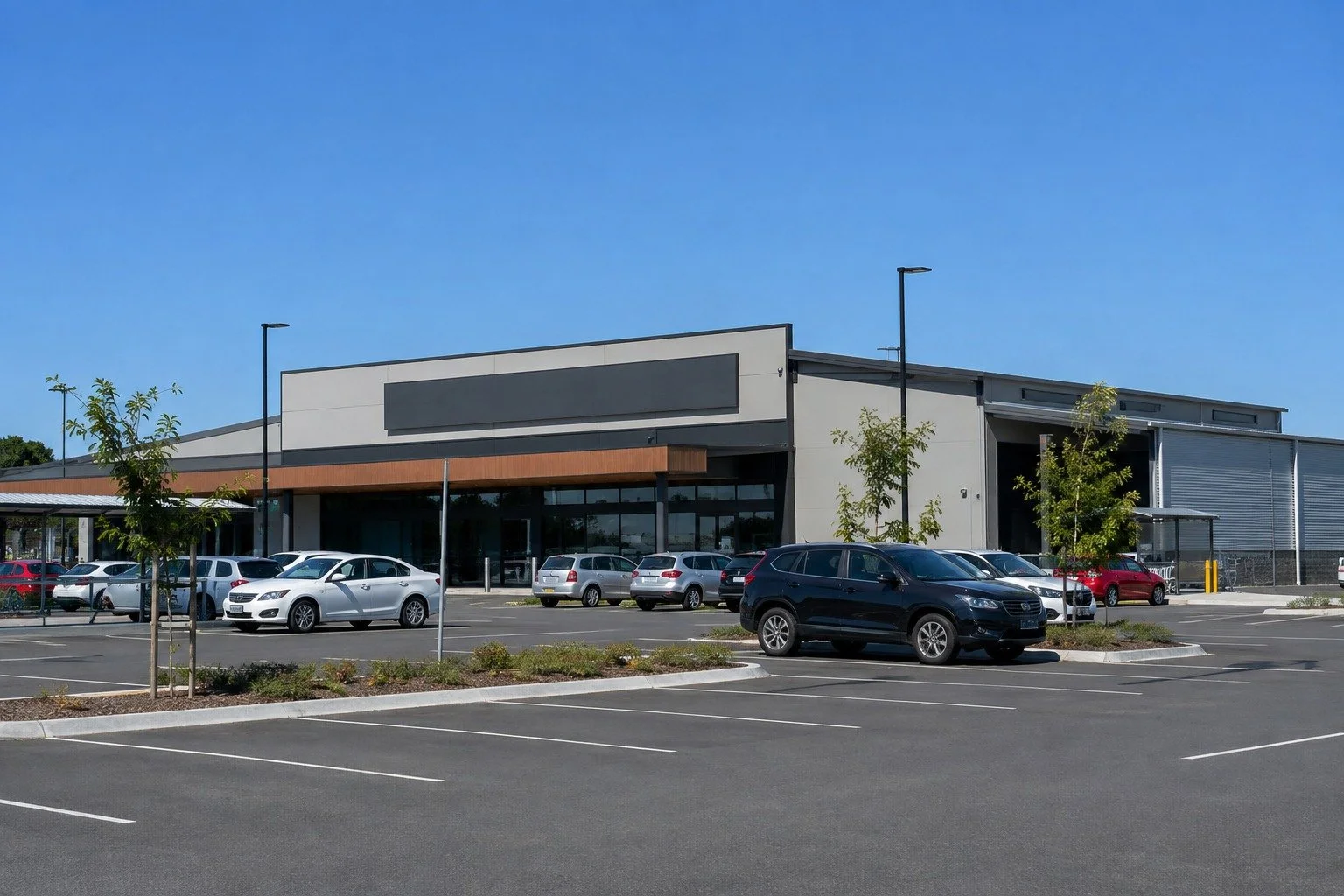
Here is the thing, guys. I wanted to compare apples with apples, so I put $100,000 into Wesfarmers shares up against $100,000 into a commercial property leased to Coles, which Wesfarmers owns. Same covenant underpinning both, no debt, no transaction costs, and the tenant stays in place. That way the only real variable is the asset class itself.
On the shares side, the story is brutal. Wesfarmers went from $47 a share pre-GFC down to $13, a 72% drop in value. The dividend held up better than most and eased only 17%, but once you net the cash flow against the capital hit, you are staring at a 63% total loss on your $100,000.
Now the property. A retail asset bought at a 5.5% cap rate, with that cap rate softening to about 6.2% at the bottom. That cost you roughly 11% in value, which still hurts, but the rent never stopped. Two years of yield offset almost all of it, landing you at a net outcome of about negative 0.29%. Understanding how cap rates and yields drive that number is the whole game.
Why the gap? Liquidity. Shares trade on the most liquid market we have, so stop losses and margin calls turn a wobble into a rout overnight. Commercial property is relatively illiquid, there is land and four walls behind the yield, and there is room to negotiate rather than get force-sold. That resilience is one of the core reasons I favour this asset class.
Where to go from here
Most people start with Cal’s Fortify Your Wealth series, a multi-part video series on the strategies he uses when the market shifts, with weekly videos on YouTube.
If you would rather talk it through, book a quick 15-minute intro call with the Investor Code team: book an intro call.

And for the full framework, that is the Commercial Property Mastery online course.
Frequently asked questions
Is commercial property safer than shares in a downturn?
Based on the last GFC, commercial property held its value far better than blue chip shares. The same $100,000 fell about 11% in property value versus 72% in Wesfarmers shares, and once you count the rent, property was almost flat while shares lost 63%. The main reason is that property is illiquid and has land and buildings behind the yield.
Why did commercial property hold up better than shares in the GFC?
Shares trade on a highly liquid market, so stop losses and margin calls can force selling and drive prices down fast. Commercial property is slow to buy and sell, there is a tenant still paying rent, and the value is anchored to real land and buildings, so it resists sudden repricing.
What is a cap rate and how does it affect value in a downturn?
A cap rate, or capitalisation rate, is the yield used to value a property from its net rent. When cap rates rise, values fall. In the GFC the retail cap rate softened from about 5.5% to 6.2%, which cut value by roughly 11%, far less than the share price collapse over the same period.
What happens if you lose your tenant in a downturn?
Losing the tenant is the real risk for commercial property, and this comparison assumes the tenant stays. A long lease of ten or fifteen years to a strong covenant is what supports a tight cap rate, so keeping a quality tenant in place is what protects value through a downturn.
What options does a commercial property owner have that a share investor does not?
A share investor can only buy, sell or hold. A commercial property owner can extend the lease, renegotiate terms, add solar, rentalise hard stand, add signage, or blend debt across a portfolio. That optionality lets an owner actively repair value that the market has knocked off.